
 Español
 Pусский
 العربية
 Tiếng Việt
 中文
中文
Safety window for buildings
Safety Windows for Buildings: Importance and Considerations Safety windows are a critical component in modern building design, ensuring protection against accidents, extreme weather, and security threats. They are engineered to minimize risks such as glass breakage, falls, forced entry, and environmental hazards while maintaining functionality and aesthetics. Below are key aspects of safety windows in buildings. 1. Types of Safety Windows Safety windows are categorized based on their purpose: - Impact-Resistant Windows: Designed to withstand high winds, flying debris, and storms, often using laminated or tempered glass. - Fire-Rated Windows: Constructed with special glass and frames to resist fire and smoke spread for a specified duration. - Security Windows: Reinforced with materials like polycarbonate or metal grilles to deter break-ins. - Fall Prevention Windows: Feature restricted openings or reinforced barriers to prevent accidental falls, especially in high-rise buildings. 2. Materials and Technologies - Laminated Glass: Consists of multiple layers bonded with a PVB interlayer, preventing shattering upon impact. - Tempered Glass: Heat-treated to break into small, blunt pieces, reducing injury risks. - Polycarbonate Panels: Lightweight yet highly durable, often used in high-security or hurricane-prone areas. - Frame Reinforcements: Steel or aluminum frames enhance structural integrity against forced entry or extreme weather. 3. Safety Standards and Regulations Building codes (e.g., International Building Code, EN standards) mandate safety windows in specific applications: - High-Rise Buildings: Must prevent falls and resist wind pressure. - Schools and Hospitals: Require shatterproof glass and fire resistance. - Coastal Areas: Hurricane-resistant windows are often compulsory. 4. Functional Benefits - Occupant Protection: Reduces injuries from broken glass or falls. - Disaster Resilience: Mitigates damage from earthquakes, storms, or explosions. - Energy Efficiency: Some safety windows incorporate insulated glazing to improve thermal performance. - Noise Reduction: Laminated glass dampens external noise, enhancing comfort. 5. Installation and Maintenance Proper installation is crucial to ensure performance. Key considerations include: - Professional Assessment: Evaluating risks (e.g., seismic activity, crime rates) to determine the appropriate safety level. - Regular Inspections: Checking for seal failures, frame corrosion, or glass cracks. - Compatibility: Ensuring windows integrate seamlessly with fire alarms, sprinklers, or security systems. Conclusion Safety windows are indispensable for modern buildings, balancing protection, compliance, and usability. By selecting the right materials, adhering to standards, and maintaining installations, architects and builders can significantly enhance occupant safety and structural resilience. Whether for residential, commercial, or institutional use, investing in quality safety windows is a proactive measure against unforeseen hazards.
Products
Category:
-
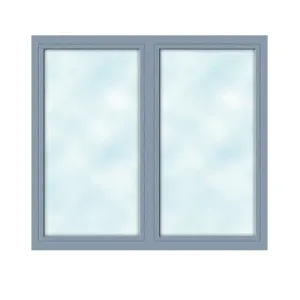
Fire Safety Window
Category: Fire-rated windowBrowse number: 70Number:Release time: 2025-10-31 17:33:49Fire Safety Window is designed to provide reliable fire protection and heat resistance for residential, commercial, and industrial buildings. Constructed with reinforced steel frames and fire-resistant glass, it effectively prevents the spread of flames and smoke while maintaining structural integrity. Ideal for enhancing building safety, compliance with fire regulations, and occupant protection, this window combines durability, thermal insulation, and long-term performance.
News
Category:
-
[Industry News]Fire-rated Window Frames for Extreme Climates
2025-11-15 08:59:44
Case
Category:
No search results found!
Video
Category:
No search results found!
Download
Category:
No search results found!
Job
Category:
No search results found!
Featured Products
No search results found!



 Phone: